
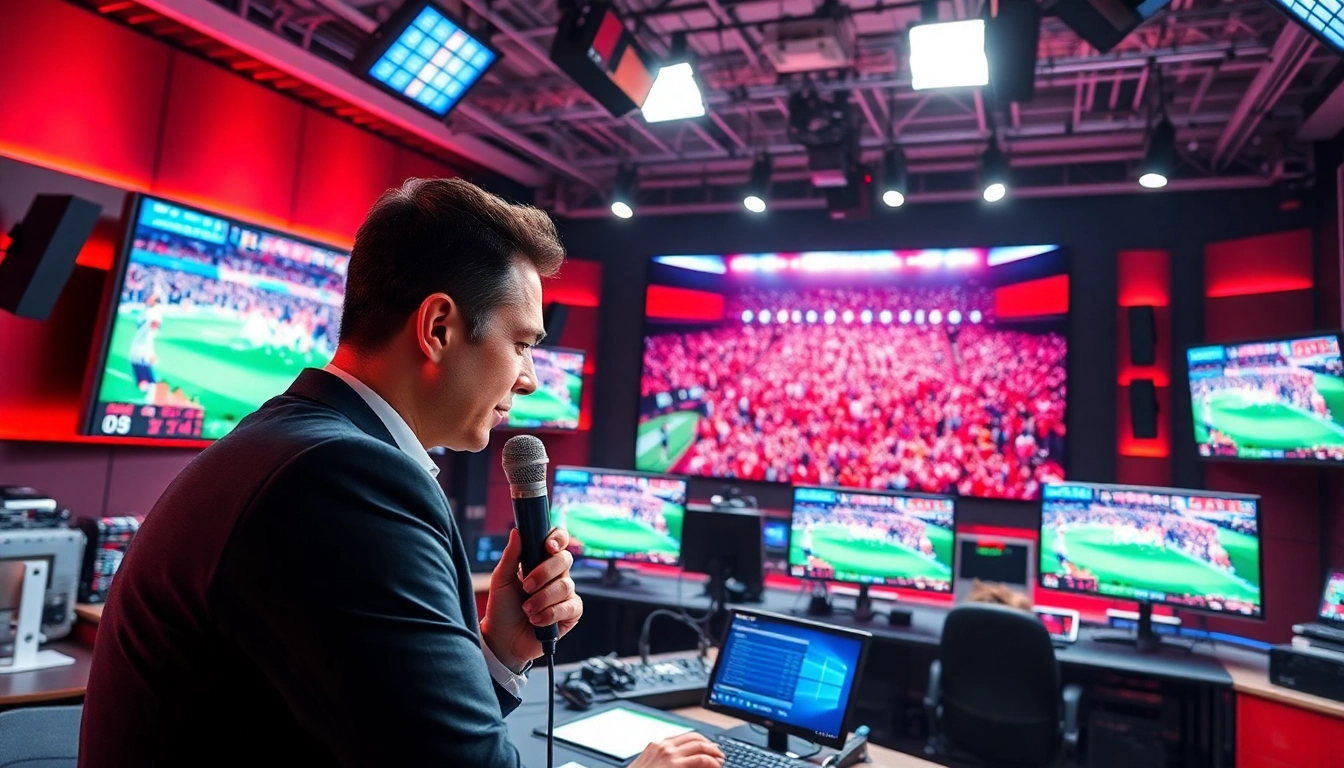
Understanding Sports Broadcasting
Sports broadcasting is a dynamic and exciting field that connects fans with their favorite athletes and teams across various platforms. As audiences increasingly seek engaging content, the importance of effective sports broadcasting continues to grow. Providing comprehensive insight into the intricacies of this industry is essential for anyone looking to excel in this domain. From its evolution to modern technologies and team dynamics, understanding Sports Broadcasting is crucial for broadcasting professionals and enthusiasts alike.
The Evolution of Sports Broadcasting
Historically, sports broadcasting commenced with radio broadcasts in the early 1920s, when sports events were shared live with listeners, introducing a revolutionary way to experience sports. Transitioning from radio to television in the 1950s marked a pivotal change, amplifying audience reach and enhancing engagement through visual content. The advent of cable networks in the following decades expanded the diversity of sports coverage, allowing niche sports to gain visibility.
As technology advanced, so too did sports broadcasting. The integration of satellite technology and the rise of 24-hour sports news channels in the 1980s and 1990s reshaped how fans accessed sports content. The turn of the millennium saw the birth of digital platforms, bringing about a fundamental change in viewing habits as audiences turned to online streaming services for personalized viewing experiences.
Key Roles in Sports Broadcasting
Within sports broadcasting, numerous roles contribute to the seamless production and delivery of content. Broadcasters, commentators, analysts, and production staff all play integral parts:
- Broadcasters: Responsible for delivering live play-by-play commentary, facilitating audience engagement and providing insight.
- Commentators: Offer expert analysis and color commentary, enriching the viewing experience through informed perspectives.
- Producers: Oversee the entire broadcast, ensuring that all elements work together fluidly, from graphics to guest appearances.
- Technical Staff: Handle equipment and technology, guaranteeing high-quality audio and video outputs.
Each role is crucial, as the effectiveness of a sports broadcast hinges on teamwork and collaboration among these professionals.
Types of Sports Broadcasting
Sports broadcasting encompasses various formats and channels, offering content tailored to diverse audience preferences. The main types include:
- Live Broadcasting: Real-time coverage of events, the cornerstone of sports media, allowing fans to experience events as they happen.
- Highlight Shows: Summarized segments showcasing key moments, appealing to viewers who may not have time for full-game coverage.
- Documentaries: In-depth storytelling focusing on the lives of athletes, teams, or specific events, fostering a deeper connection with audiences.
- Digital Content: On-demand content distributed through platforms like social media, enabling fans to engage with unique and personalized sports experiences.
These varied formats cater to different preferences, ensuring that a broader audience can connect with sports in a way that resonates with them.
Technology in Sports Broadcasting
Key Technologies Used Today
The sports broadcasting landscape is significantly shaped by technological advancements. Key technologies impacting the industry today include the following:
- High-Definition Video: HD and 4K broadcasting provide crystal-clear visuals, enhancing viewer enjoyment and immersion.
- Instant Replay: This technology allows audiences to review critical moments, enriching the viewing experience with multiple angles and insights.
- Graphics and Data Analytics: Advanced graphic displays provide viewers with statistics and player analytics, making the experience more engaging and informative.
- Virtual and Augmented Reality: These technologies are emerging, offering immersive experiences where viewers can feel part of the action.
The convergence of these technologies revolutionizes how fans interact with live sports broadcasts, ultimately driving deeper engagement.
The Impact of Streaming Services
Streaming services have transformed the landscape of sports broadcasting by providing audiences with greater control and flexibility. Viewers can choose when and where to watch events, which has increased sports accessibility and has drawn in new demographics.
Platforms such as OTT (over-the-top) services allow networks to reach fans directly, free from traditional cable constraints. Moreover, many of these services provide exclusive content, such as behind-the-scenes footage or additional analysis, which enhances viewer engagement and loyalty.
Future Innovations in Sports Broadcasting
The future of sports broadcasting is poised for further innovation. Promising developments include:
- Artificial Intelligence: AI is expected to enhance predictions on game outcomes and improve content recommendation systems for personalized viewing experiences.
- Blockchain Technology: This technology can secure digital rights management, ensuring content creators are compensated fairly for their work.
- Seamless Integration of Social Media: Combining broadcasts with social media platforms can create an interactive viewing experience, fostering real-time discussions and engagement.
As these innovations unfold, the potential for engaging audiences will continue to evolve, offering exciting opportunities for broadcasters.
Building a Successful Broadcasting Team
Essential Skills for Broadcasters
To be effective in sports broadcasting, professionals must possess a diverse skill set:
- Communication Skills: The ability to convey information clearly and engagingly is critical for capturing and retaining audience interest.
- Analytical Thinking: Understanding game mechanics and statistics helps broadcasters provide insightful commentary and analysis.
- Adaptability: The sports landscape is dynamic, so broadcasters must pivot quickly in response to changes, such as injuries or game events.
- Technical Proficiency: Familiarity with broadcasting technology ensures smooth operation and effective communication.
These foundational skills are vital for anyone aspiring to succeed in the competitive field of sports broadcasting.
Creating Synergy Among Team Members
Building a successful broadcasting team involves fostering synergy among its members. Clear communication, defined roles, and collaborative planning enhance the output quality. Regular meetings can facilitate brainstorming sessions, allowing team members to contribute ideas and feedback. Engaging in team-building exercises can also strengthen interpersonal relationships, promoting a supportive environment where creativity thrives.
Training and Development Opportunities
Investing in training and development is crucial for enhancing team performance. Workshops, mentorship programs, and industry conferences can keep team members updated on the latest trends and techniques. Encouraging continuous professional development can empower individuals to grow in their roles, ultimately benefiting the entire broadcasting team.
Engaging Viewers Through Content
Storytelling in Sports Broadcasting
Engaging viewers requires more than just announcers calling plays; it demands captivating storytelling. Broadcasters should focus on developing narrative arcs that resonate with viewers, highlighting players’ journeys, rivalries, and unexpected twists. Incorporating emotion and context amplifies the connection between the sport and the audience, creating memorable viewing experiences.
Utilizing Social Media for Engagement
In an era dominated by social media, leveraging these platforms is essential for audience engagement. Broadcasting teams can create interactive content that prompts viewers to participate, such as polls, live tweets, and Q&A sessions. This creates a sense of community among fans and encourages them to connect with broadcasters and each other, enhancing overall engagement.
Gathering Viewer Feedback
Understanding audience preferences is paramount. Regularly soliciting viewer feedback through surveys and social media monitoring can provide valuable insights into what resonates with fans. Implementing feedback allows broadcasters to adjust their strategies, ensuring content remains fresh and engaging.
Metrics for Success in Sports Broadcasting
Understanding Ratings and Audience Reach
Metrics such as audience ratings and reach help gauge a broadcast’s effectiveness. Ratings indicate the percentage of households watching a specific event, while reach refers to the total number of viewers. By analyzing these metrics, broadcasters can tailor content to maximize audience attraction and retention.
Analyzing Viewer Demographics
Understanding who the audience is can help inform content strategies. Demographic analysis, which includes age, gender, and location, provides insights into viewer preferences and behaviors, aiding in more targeted and effective marketing efforts.
Setting Performance Goals
Establishing clear performance goals is essential for continuous improvement in sports broadcasting. Key Performance Indicators (KPIs) can be set around viewer engagement, content reach, and sponsorship revenue. Regularly reviewing these metrics allows teams to evaluate progress and make necessary adjustments.
Conclusion
Sports broadcasting is a multifaceted industry that continuously evolves with technological advancements and viewer expectations. By understanding the key components, investing in team development, and leveraging storytelling and analytics, professionals within this space can drive viewership and build lasting connections with audiences. As the industry progresses, broadcasters who adapt and innovate will stand out, ensuring that they remain at the forefront of this exciting field.
FAQs
1. What is sports broadcasting?
Sports broadcasting involves transmitting live sports events or related content through various media channels, such as television, radio, or online platforms.
2. How has technology impacted sports broadcasting?
Technology has enabled high-definition video, instant replay, and real-time analytics, enriching the viewer experience and broadening audience engagement.
3. What roles are essential in a sports broadcasting team?
Key roles include broadcasters, commentators, producers, and technical staff, all of whom collaborate to create cohesive and engaging content.
4. Why is storytelling important in sports broadcasting?
Storytelling creates emotional connections with the audience, making events more memorable and engaging beyond the game itself.
5. How can broadcasters measure success?
Broadcasters can measure success through audience ratings, viewer demographics, and performance goals, which provide insights into engagement and reach.